Quick answer
Yes — private jets, including empty legs, are typically the most pet-friendly way to fly: no cargo hold, no crate mandate, no airline breed or size restrictions, and your pet stays with you in the cabin throughout. What private aviation cannot do is bypass the UK's legal pet travel rules, which are fixed by law and identical regardless of how you fly. The most important update for 2026: since 22 April 2026, GB-issued EU Pet Passports no longer work for UK-to-EU travel — an Animal Health Certificate (AHC), issued within 10 days of departure, is now required for every trip instead.
Key takeaways
- Private jets don't shorten the legal rabies waiting period — 21 days is fixed in law, regardless of how you fly.
- Since 22 April 2026, an Animal Health Certificate has replaced the GB pet passport for UK residents travelling to the EU, and it must be issued within 10 days of departure.
- Microchip must come before rabies vaccination, not after — get the order wrong and the 21-day clock restarts from scratch.
- Dogs need a tapeworm treatment timed to a specific window before returning to the UK; cats and most other pets don't.
- Where private aviation genuinely helps is precision timing — landing your flight inside your paperwork's validity window — not speed through the legal process itself.
Why private jets are the easier way to fly with a pet
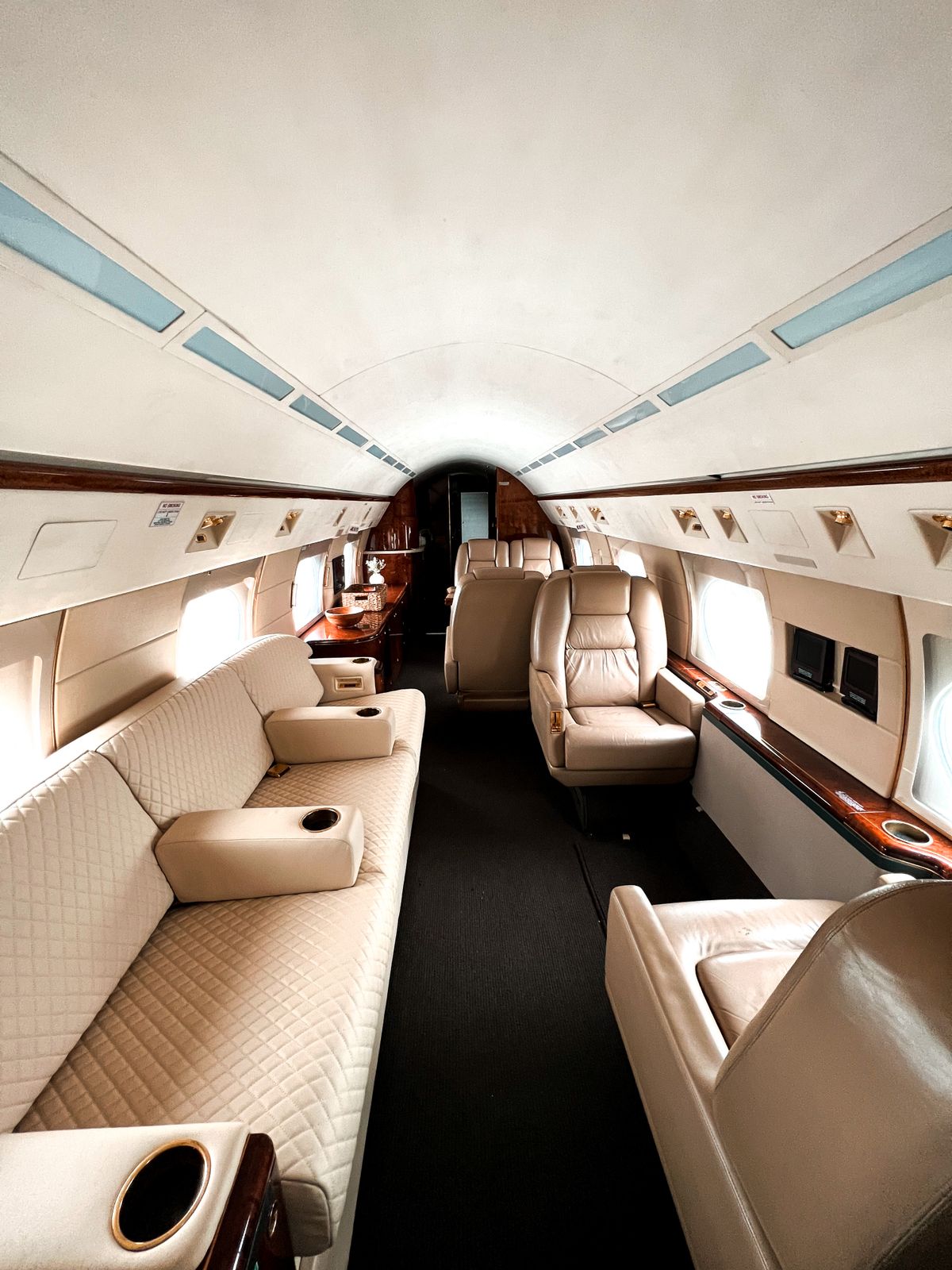
Once the legal paperwork is sorted — and it has to be sorted regardless of aircraft type — private aviation removes almost every practical friction commercial pet travel involves. There is no cargo hold: your pet stays with you in the cabin for the entire flight, seen and reachable rather than out of sight in the hold. There is no crate mandate in the way commercial carriers often require; well-behaved pets can typically travel loose or in a soft carrier at your side. Airline breed and size restrictions, which rule out many larger dogs on commercial flights entirely, simply don't apply on a privately chartered aircraft — a fact that matters enormously to owners of large or nervous dogs who are effectively excluded from commercial pet travel altogether.
Because you are typically chartering the whole aircraft rather than a single seat, there is also no need to justify your pet as an emotional support animal or navigate the increasingly strict certification regimes commercial airlines have adopted. The aircraft is yours for the flight; your pet is simply a passenger on it.

What private aviation cannot change: the legal timeline
This is the point most pet-travel guides gloss over, and it matters more than any comfort feature. The UK's pet travel rules exist for biosecurity reasons — preventing rabies and other diseases entering or leaving the country — and they are set in law, enforced identically whether your pet flies in a commercial hold or a private cabin. No amount of budget or urgency shortens a legally mandated waiting period.
The core UK requirements, drawn from official GOV.UK guidance, are:
- Microchip first. Your pet must have a functioning ISO-compatible microchip implanted and scanned before anything else happens.
- Rabies vaccination, in the correct order. The rabies vaccine must be administered on or after the microchip is implanted — administered before, and it is invalid in the eyes of border authorities, regardless of what your vaccination record says.
- A mandatory 21-day wait. Following a first (primary) rabies vaccination, your pet cannot travel for 21 full days. This is non-negotiable and calculated from the day after the injection. Booster vaccinations, given without any lapse in prior coverage, do not require this wait.
- An Animal Health Certificate (AHC). Since 22 April 2026, this has replaced the GB-issued EU pet passport for travel from the UK to the EU. It must be issued by an official vet within 10 days of your departure date — a considerably tighter window than the passport system it replaced.
- Tapeworm treatment for dogs. Required only for dogs, and only timed to a specific window (typically 24 hours to 5 days) before arrival back in the UK — not needed for cats, ferrets, or for the outbound leg.
Get the sequencing wrong — vaccinate before microchipping, for instance — and the entire 21-day clock restarts from zero, regardless of how much you are prepared to spend on the flight itself.
Sorted your pet's paperwork and just need the flight? Check live empty legs or set a route alert for your corridor.
Check live availability →The AHC change, explained properly
Because this is such a recent shift, it is worth being precise about what actually changed and why it catches people out. Previously, a pet resident in the UK could travel to the EU on an EU-format pet passport, issued once and reused for multiple trips over its validity period — straightforward for anyone travelling regularly.
As of 22 April 2026, that no longer works for UK residents. A GB-issued pet passport — even one issued before this date — is not accepted for entry into the EU. In its place, UK pet owners must obtain an Animal Health Certificate before every single trip, issued by an official vet no more than 10 days before departure. Unlike the passport, the AHC is not reusable; a fresh one is needed each time, which means the whole health-check-to-departure window has compressed from "issue once, travel repeatedly" to "issue fresh, every trip, within days."
For anyone who has travelled with a pet before and assumes their existing pet passport still works, this is the single most common and costly mistake in 2026 — a booked flight can become unusable at the border if the paperwork is the old format. Always confirm current requirements before travelling, since rules in this area continue to be reviewed.

Where private aviation genuinely helps: precision, not speed
Given that the legal timeline cannot be compressed, the real value of private jet travel for pet owners is precision — the ability to land your actual flight inside the narrow windows the paperwork creates, rather than fighting a fixed commercial schedule against them.
The AHC's 10-day validity window is the clearest example. A commercial itinerary booked weeks in advance has no flexibility to shift if your vet appointment runs late or a certificate needs re-issuing — you either make the fixed departure or you don't. A privately chartered flight, or a flexible empty-leg search across a short date range, can be timed to fall precisely within your certificate's validity, which matters enormously when the margin for error is measured in days rather than weeks.
The same logic applies to the 21-day rabies wait for a pet travelling internationally for the first time. Rather than booking a fixed flight and hoping the timeline lines up, owners can plan the vaccination date first, then look for a matching flight — including an empty leg — once day 21 has passed, rather than being locked into a commercial schedule set months in advance.
Booking an empty leg or charter with a pet
Practically, bringing a pet on a private flight is straightforward, but a few things are worth confirming before you book rather than after:
- Confirm pet-friendliness with the specific operator. Most charter operators welcome pets, but it is not universal — always confirm before booking rather than assuming.
- Share your pet's details at the point of enquiry. Weight, breed, and whether it will be in a carrier or travelling loose, so the crew and cabin are prepared.
- Have your paperwork ready to show, not just booked. Microchip confirmation, vaccination record, and your AHC (or equivalent for the destination) should be physically available, not still "in progress."
- Check the destination's entry rules too, not just the UK's. Requirements for entering the destination country can differ from the UK's own rules for returning.
- On an empty leg specifically, flexibility cuts both ways. The same date flexibility that helps you catch a good empty leg also helps you land it inside your AHC's tight window — set a route alert once your paperwork timeline is known, rather than before.
A note on cost: the per-person maths still applies
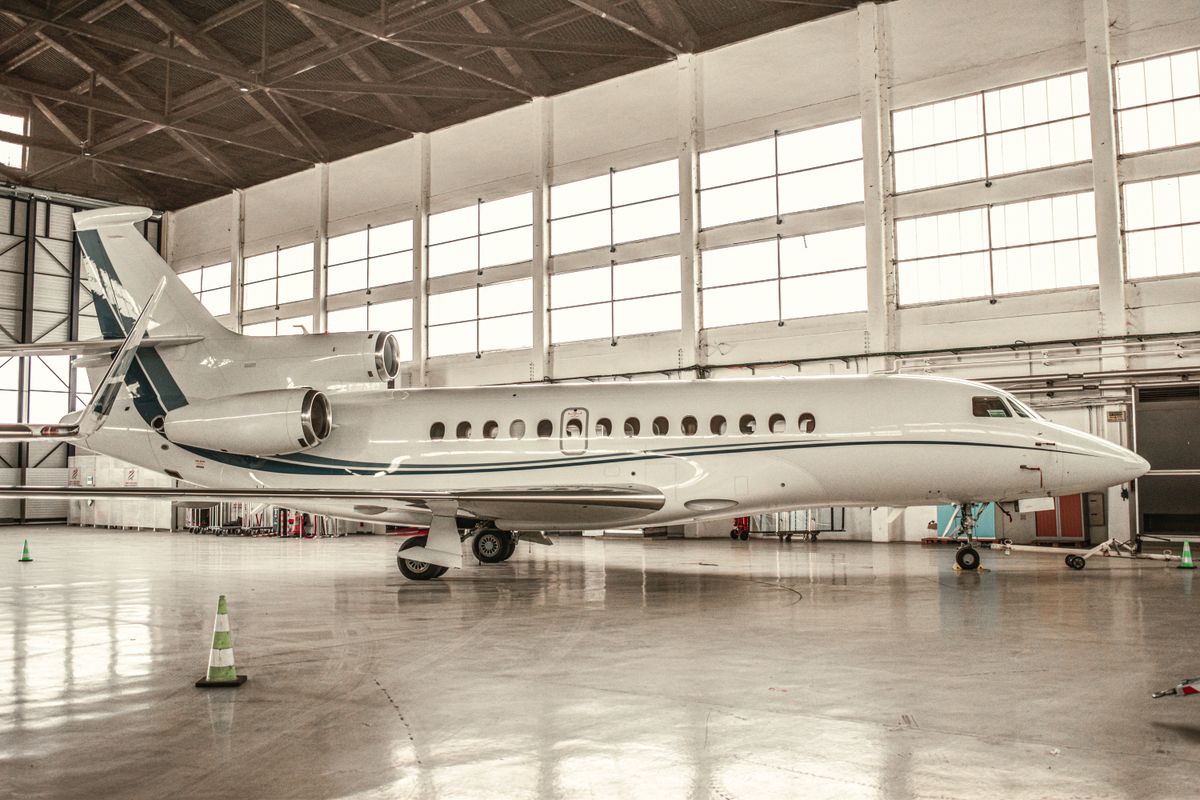
Because an empty leg or charter is typically priced for the whole aircraft rather than per seat, travelling with a pet costs nothing extra in most cases — you are already paying for the cabin, and the pet occupies space within it rather than requiring an additional fare, unlike the cargo or excess-baggage fees commercial pet travel often adds. The per-person economics that make empty legs attractive for a group apply identically whether that group includes a dog, a cat, or neither.
Some pet owners with flexible schedules explore sharing a charter with another pet-travelling party specifically to split costs further — a workable approach for a relocation or a longer international trip, though it requires aligning schedules and destinations with another traveller, which is its own coordination challenge separate from the flight itself.

Beyond dogs and cats: what about other pets?
Most guidance, official and otherwise, focuses on dogs and cats because they account for the overwhelming majority of pet travel. Ferrets are covered under the same PETS framework — microchip, rabies vaccination, 21-day wait, AHC — with no additional species-specific step beyond what applies to cats. Other species fall outside the standard scheme entirely and require separate, often more involved, arrangements.
Birds, reptiles, and other exotic pets are not covered by the standard Pet Travel Scheme at all, and moving them internationally typically involves CITES permits (for protected species), separate import licensing, and considerably more lead time than the 21-day rabies-driven timeline that governs dogs and cats. If you are travelling with anything other than a dog, cat or ferret, treat the paperwork timeline as a specialist question for your vet and a licensed pet transport professional well before you start looking at flights — private aviation's cabin flexibility is still an advantage once the legal side is sorted, but the legal side for exotic species is a different and generally longer process.
Approved entry points and where private aviation actually helps
One detail that catches even well-prepared owners out: pets cannot enter or leave the UK through just any airport. Entry and exit for pet travel is restricted to approved routes and points that are set up to handle the required animal checks — verifying the AHC, scanning the microchip, and confirming the tapeworm treatment record for dogs returning to the UK. Arrive at an airport not equipped for this, and even perfect paperwork can cause a delay while checks are arranged, or in the worst case a refusal.
This is a second area, alongside timing, where chartering privately genuinely helps rather than just adding comfort. Major UK business-aviation airports — Farnborough, Luton, Biggin Hill among them — are well-established on approved pet travel routes, precisely because they handle significant international private traffic already. Confirming with your broker that the specific departure and arrival airports on your itinerary are approved for pet entry, before booking rather than after, removes one more variable from what is already a paperwork-heavy process. It is a five-minute question that prevents a genuinely inconvenient surprise at the aircraft steps.
The mistakes that actually cause problems at the border
A short, specific list, because these are the errors that turn a well-planned trip into a refused departure or a quarantine order:
- Vaccinating before microchipping. The vet must scan the microchip at the time of vaccination for it to count — do this in the wrong order and the 21-day clock restarts entirely.
- Assuming an old-format pet passport still works. Since 22 April 2026 it does not, for UK-to-EU travel, regardless of when it was issued.
- Leaving the AHC too late. A 10-day validity window means booking the vet appointment needs to happen with real precision relative to your travel date, not as an afterthought.
- Forgetting the dog-specific tapeworm treatment for the return leg to the UK — easy to overlook since it applies only to dogs and only on the way back.
- Not checking the destination country's own entry rules, which can differ from the UK's requirements and catch owners out at the other end.
A realistic planning timeline, worked backwards
Because the AHC's 10-day window sits at the end of a longer legal chain, it helps to plan from your intended travel date backwards rather than from today forwards.
- 6+ weeks before: confirm your pet is microchipped, and book the primary rabies vaccination if it hasn't already had one — remembering the chip must be scanned first.
- 21 days after vaccination: the mandatory wait clears. Note this exact date; nothing can move before it regardless of how the rest of your planning goes.
- 10 days before departure: book the Animal Health Certificate appointment with an official vet — early enough within the window to allow for any issues, late enough that it doesn't expire before you fly.
- Once the AHC is issued: this is the point to lock in your actual flight — a fixed charter date, or a flexible empty-leg search across the certificate's remaining validity.
- Before departure: confirm the departure and arrival airports are approved for pet entry, and have all documents physically ready to present.
Owners who have travelled with a pet before, under the old passport system, sometimes assume the whole process can be squeezed into the final week. Under the current rules it genuinely cannot — the 21-day wait alone rules that out for any pet without existing, unbroken rabies cover. Planning backwards from your travel date is what turns a potentially stressful compliance exercise into a straightforward one.
Frequently asked questions
Can pets fly on private jets, including empty legs?
Yes, most operators welcome pets in the cabin, though it's not universal — always confirm with the specific operator before booking.
Does flying private mean I can skip the 21-day rabies wait?
No. The 21-day wait following a first rabies vaccination is a legal requirement enforced identically regardless of how you fly. Private aviation cannot shorten it.
What changed with UK pet passports in 2026?
Since 22 April 2026, GB-issued EU pet passports are no longer accepted for UK-to-EU travel, even if issued before that date. An Animal Health Certificate, issued within 10 days of departure, is required instead.
Do I need an Animal Health Certificate for every trip?
Yes, unlike the reusable pet passport it replaced, an AHC must be issued fresh before each individual trip, within 10 days of departure.
Does the microchip have to happen before or after the rabies vaccination?
Before. The rabies vaccine must be administered on or after the microchip is implanted and scanned. Getting this order wrong invalidates the vaccination and restarts the 21-day wait.
Do cats need the same paperwork as dogs?
Largely yes — microchip, rabies vaccination and the 21-day wait apply to both. The tapeworm treatment requirement is specific to dogs only.
Can my pet travel loose in the cabin, or does it need a crate?
Most private charters allow well-behaved pets to travel loose or in a soft carrier at your side, unlike commercial airlines which often mandate a hard crate. Confirm the specific operator's policy when booking.
Does bringing a pet cost extra on a private charter?
Usually not, since you're typically chartering the whole aircraft rather than paying per seat. The pet occupies cabin space you've already paid for, unlike commercial cargo or excess-baggage fees.
How can I time a flight to fall within my AHC's 10-day window?
Plan the vet appointment first, then search for a matching flight, including empty legs, once the certificate is issued. A flexible date search or a standing route alert makes it easier to land inside the narrow window than committing to a fixed schedule months in advance.
Do destination countries have their own pet entry rules too?
Yes, and they can differ from the UK's requirements for returning. Always check the specific destination's entry rules separately, not just the UK rules.